The MRI for your answer copies.
OMR sheets grade bubbles. Red pens grade answers. Jawabwala grades the thinking.
At what moment does a thrown ball's sideways speed equal its upward speed?
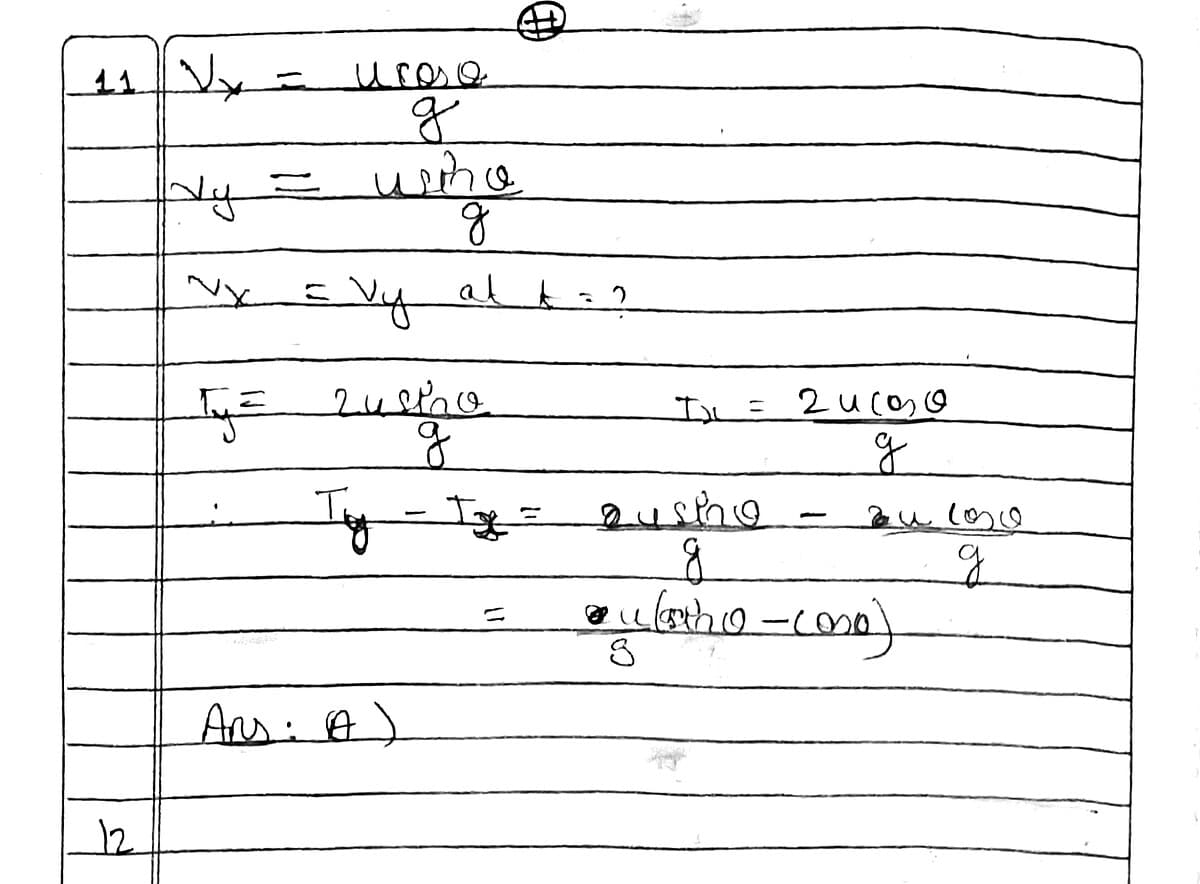
Reads the bubbled option and nothing else. Right option, full marks — the working is never seen.
Reads every step of the handwriting, marks each one, and says exactly what went wrong.
Press Grade this attempt to watch it read the working.
A real student attempt and Jawabwala's real marking, from a live institute's assignments. The teacher can change any mark.
It checks every step —
not just the final answer.
Students scan the handwritten work they already do. Jawabwala reads it, gives marks for each step they got right, shows exactly where they went wrong and how to fix it — while the teacher makes the final call.
Pick a subject, set the strictness, and watch the student's answer get marked step by step. Then change a mark yourself.
The teacher picks this once, when creating the assignment — before any answer is marked. Tap each one to see how strictly this same student attempt is marked.
Grading behaviour mirrors the real engine — every step, important steps and final answer only are the product's three strictness levels. This is one moment; the full page grades itself the whole way down.
Bring your own everything.
Every other grader makes you meet it halfway — its question bank, its bubble sheets. Jawabwala takes the messy, real, non-standardised stuff everyone else refuses. Reading and grading handwritten reasoning is genuinely hard AI — years of our own R&D, not a thin wrapper on someone else's model.
Any book becomes your question bank
Upload any textbook, module or paper — from any board or course. Jawabwala reads it and organises it into your own question bank, by its own chapters and topics.
CBSE, ICSE, IB, state boards, JEE/NEET material — or your own handwritten notes. All fair game.
Any notebook is a valid answer sheet
No OMR sheets, no special stationery, no app. A student photographs the real, messy pages they already wrote — and Jawabwala reads every line as clean, typeset maths.
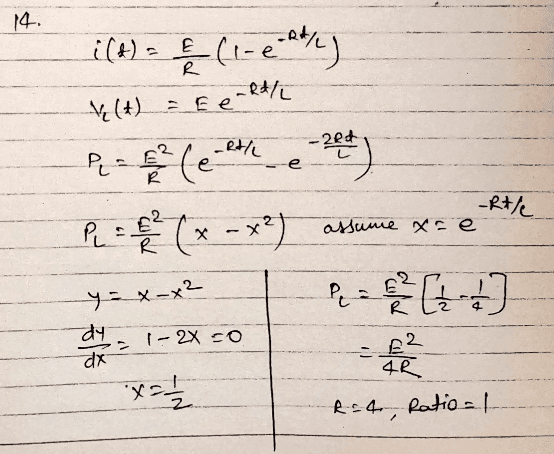
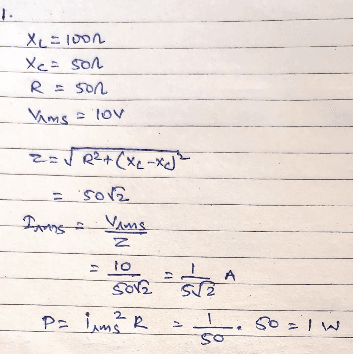
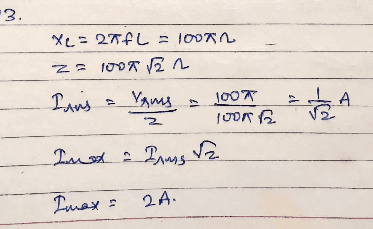
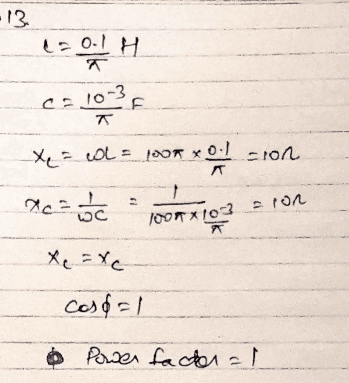
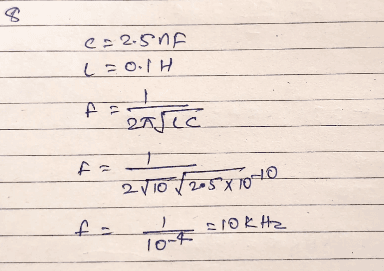
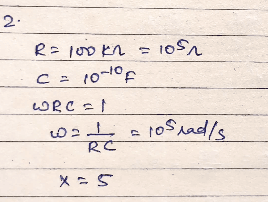
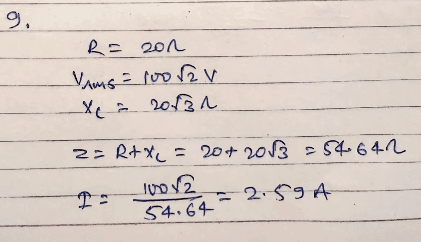
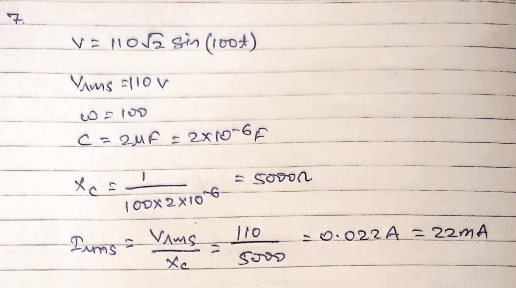
Real answer sheets on the left — Jawabwala's reading on the right.
Nobody learns a new way to teach or study to get the magic. Your books. Their notebooks. Your standards — unchanged.
From a notebook page to a graded paper — overnight.
Hand a stack of answer copies in; get back graded papers with real feedback, ranks and a live map of who's mastered what. Here's what happens to a single one.
The answer copy is uploaded
For homework, students upload their own. For exams, a teacher or staff member uploads on their behalf — one at a time or in bulk. Just a photo or PDF of normal paper.
Jawabwala reads the handwriting
It transcribes the words and the maths as written, and even crops out diagrams to grade on their own.
Each answer is matched to its question
Whoever uploaded confirms the match in a quick review step — so a misread never quietly costs marks.
A person — not a black box — has the final say over which answer belongs to which question.It marks each answer, step by step
Partial credit for every correct step — and if a student reached the answer a valid different way, that path is graded on its own merits.
It shows exactly where things went wrong
Each mistake is pointed out on the student's own handwriting, with what should have been done instead.
It totals up and hands it to the teacher
Applying your marks, negative marking and strictness — then the teacher reviews, overrides anything, and releases.
Students and parents both get the result
Students see per-question feedback with mistakes marked on their own sheet. Parents get a read-only report of results and progress — and a line straight to the teacher.
Every attempt updates each student's mastery
Homework or exam, each graded answer feeds a live, per-topic picture of what a student has and hasn't understood — building across the whole year.
The teacher has the final say at every step — nothing publishes until you release it.
From daily homework to a full pattern test — one workflow.
It's not two products. Homework and exams run on the same grading engine, the same rubric controls, the same analytics. The difference is just how strictly you grade — and who hits upload.
Built for real pattern tests
Institutes running JEE- and NEET-style pattern tests need more than single-subject homework. The exam mode is built for the real shape of these papers — and it's the capability that lands the whole institute.
- One paper, many subjects — each graded to its own scheme
- One exam, every batch of the course at once
- Batch, overall and per-subject ranks, automatic
Multi-subject papers
Physics, Chemistry and Maths in one paper, split into sections — each with its own marking scheme, mirroring how JEE and NEET papers are actually built.
One exam, every batch
Run a single exam across every batch of a course at once, managed from one place — not rebuilt batch by batch.
Automatic ranking
Batch, overall and per-subject ranks, computed for you. Competition-style ties (1, 2, 2, 4), absentees excluded, and ranks recompute if a mark changes after results are out.
Delegated paper-setting
Assign sections to different teachers to contribute questions, each scoped to their own subject. The full paper stays confidential until exam day — and every question records who set it.
Roster & absence handling
A snapshot roster drives who uploads, who's absent, and the rank denominators. Absentees are reconciled before results publish — parents see a clear “Absent”, never a limbo “pending”.
One clean release
Results go live only when every subject is signed off and every absence is accounted for. Students never see a half-graded paper.
Run a full multi-subject pattern test across every batch of a course — set by your whole teaching team, graded by AI, ranked automatically — and release polished results to every student and parent at once.
What the exam engine is for
A live mastery profile for every student.
Grading is the hook. Knowing exactly what each student has — and hasn't — mastered, and watching it grow across the whole year, is what keeps families enrolled.
Every graded answer teaches it about the student
Behind each mark, Jawabwala updates a picture of how well that student understands each topic — skill by skill, chapter by chapter, subject by subject. Not a score on one test, but a living map that sharpens with every homework and exam.
“Strong on kinematics and trigonometry. Heat and rotational motion need work — especially setting up moment of inertia.”
It tells a slip from a gap
A calculation error on a concept the student clearly grasped credits the understanding and flags the procedure separately — so nobody is marked “weak in trigonometry” for dropping a minus sign.
Harder problems count for more
Cracking a genuinely tough problem moves the needle more than an easy one, so mastery reflects real ability — not just a pile of easy wins.
Skills roll up to chapters & subjects
Individual skills roll up into chapter and subject strengths and weaknesses, each with a plain-English summary of where the student stands and why.
Real science under the hood — a plain mastery profile on your dashboard.
Grading wins the trial. Mastery earns the renewal.
Everyone sees exactly the right thing.
One platform, four points of view — teacher, student, parent and admin. Each gets the detail they need, and nothing they don't.
“Grade a whole batch in the time it took to grade one — and still have the final word.”
- Build homework from the problem bank for your batch and subject
- Upload on students' behalf — single or bulk, filename auto-matched and confirmed
- Review and override every AI mark, with a full edit history
- Set the rubric, rigour and grading instructions
- Sign off your subject and publish results in bulk
“See exactly where you went wrong, where you stand, and what to fix.”
- Submit a photo or scan of your handwritten work
- Confirm the answer-to-question match before grading
- Get per-question feedback and mistakes marked on your own sheet
- See your batch, overall and per-subject ranks on exams
- Get a personal strengths & weaknesses report, downloadable as PDF
“Stay in the loop without chasing the teacher.”
- Read-only view of your child's results, ranks and progress
- A direct message thread with teachers
- Automatic alerts over email and WhatsApp
- Access re-checked on every request — no stale permissions
“Run the whole exam operation — not the paperwork.”
- Bulk-onboard members, courses, batches and curriculum
- Organise students into batches, and transfer between them
- Create and run multi-subject, multi-batch exams
- Delegate paper-setting across your teachers
- Reconcile the roster and release results institution-wide
Milestones, deadline reminders and results reach students and parents automatically — no one has to chase an update.
Runs exam day at scale — without the drama.
Hundreds of students, multiple subjects, one deadline. The engine is built to handle exam-day volume and keep every result accurate, private and accounted for.
Built for exam-day volume
Submissions are graded in parallel, each on its own — so a single failed scan never holds up the batch, and hundreds run at once.
Cost-efficient by design
Grading is routed to the most economical processing lane and re-routed under load — affordable enough to grade every homework, not just exams.
Privacy-conscious
Parent access is re-checked on every request — no stale permissions. Uploaded work and diagrams are kept as access-controlled files.
A full audit trail
Every mark edit is logged, with an optional reason. Every notification is tracked and de-duplicated — nothing double-sends, nothing goes missing.
Run exam day for hundreds of students — without drowning in paperwork.
Hand it your students' notebooks. Get back graded papers — overnight.
In your curriculum, to your standard, with you in control. Bring a real class's papers to the demo — we'll grade them with you.
Not ready to pick a slot? Send us a message instead.
Questions institutes ask
No — bring your own. Any book from any board or course can be onboarded and turned into your question bank, organised by its own chapters and topics.
No. They solve on the same paper and notebooks they already use, then photograph or scan the pages. Nothing new to buy, install or learn.
Yes. Students scan their normal handwritten work; the system transcribes the text and maths and even crops out diagrams. They confirm the answer-to-question match before grading, so misreads don't cost marks.
You are. Your teachers set the rubric, the required level of working and the grading instructions — and review and can change any mark before results are released.
The grader detects valid alternate methods and grades that path on its own merits, rather than forcing one “official” solution.
Yes — grading is step-by-step on a sliding scale, not all-or-nothing (unless the teacher chooses “final answer only”).
Parents get read-only access to their child's results and progress, plus a message thread with teachers. Access is verified on every request.
Teachers bulk-upload scans (auto-matched to students by filename, confirmed first), let the AI grade in parallel, spot-check, override where needed, and publish everyone's results together.
Jawabwala for Institutes · jawabwala.com